What Can I Plant Right Now? A Beginner’s Seasonal Gardening Guide
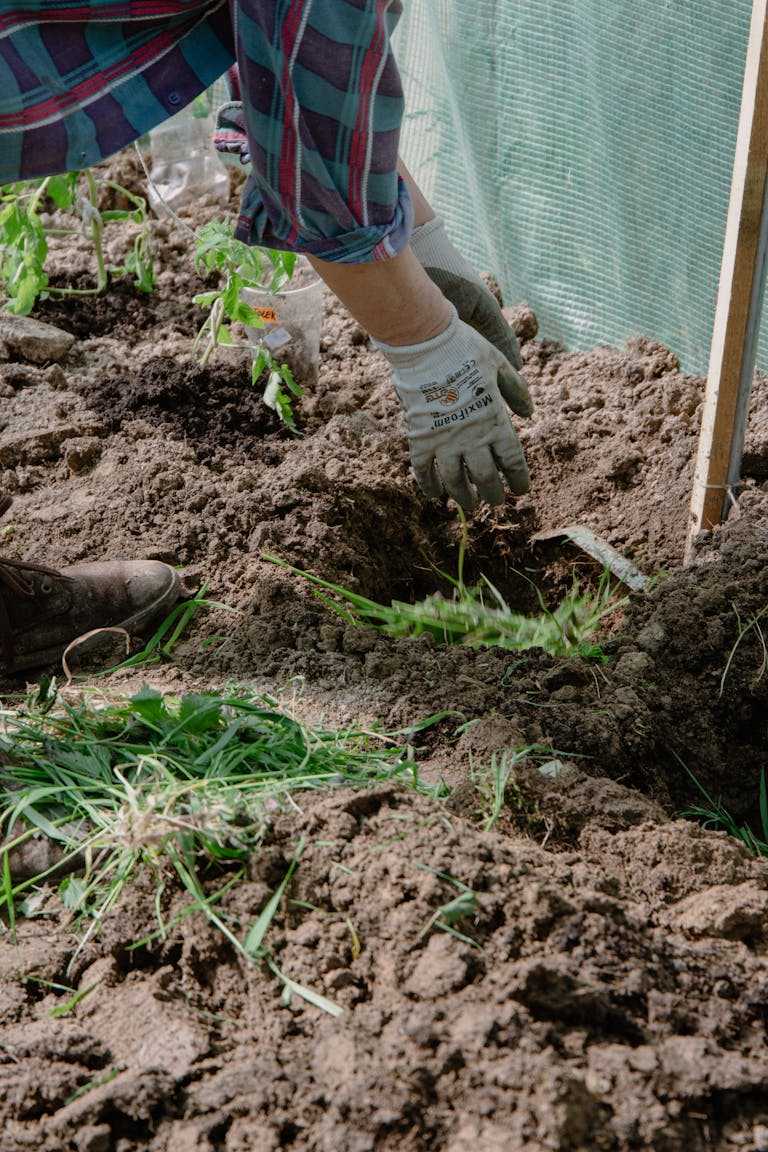
If you’ve been wondering what can I plant right now, the answer depends less on your gardening experience and more on the season. One of the most frustrating experiences for a new gardener is doing everything “right” and still watching a plant struggle.
You watered it.
You gave it sunlight.
You used good soil.
So what went wrong?
Sometimes, the answer has nothing to do with your gardening skills.
Sometimes, you just planted the right plant at the wrong time.
One of the biggest lessons our grandparents and great-grandparents understood was that gardening isn’t about forcing nature to cooperate.
It’s about working with the seasons instead of fighting them.
At the Waste Not Want Not Homestead, we believe gardening should feel approachable, not overwhelming.
So let’s simplify one of the most confusing parts of getting started: figuring out what you should plant right now.
The Secret: Plants Have Favorite Weather
Just like people, plants have distinct climate preferences.
Some love crisp spring mornings.
Others thrive in the baking heat of midsummer.
A few actually grow best when the autumn frost starts creeping in.
Understanding this one simple concept will save you time, money, and disappointment.
Because sometimes the problem isn’t you—the problem is that your lettuce is trying to survive a July heat wave.
Spring: The Season of Fresh Starts
Spring is when many gardeners catch the gardening bug.
The days get longer, the weather warms up, and seed packets start appearing everywhere.
| Spring Plant | Why Beginners Love It |
|---|---|
| Leaf Lettuce | Quick-growing, forgiving, and easily harvested leaf-by-leaf. |
| Radishes | Ready to harvest in just a few weeks. Instant gratification. |
| Spinach | Absolutely thrives in cooler, damp spring weather. |
| Peas | Productive and fun to watch climb up a simple string or trellis. |
| Green Onions | Fast, hardy, and endlessly useful in the kitchen. |
A Waste Not Want Not Tip:
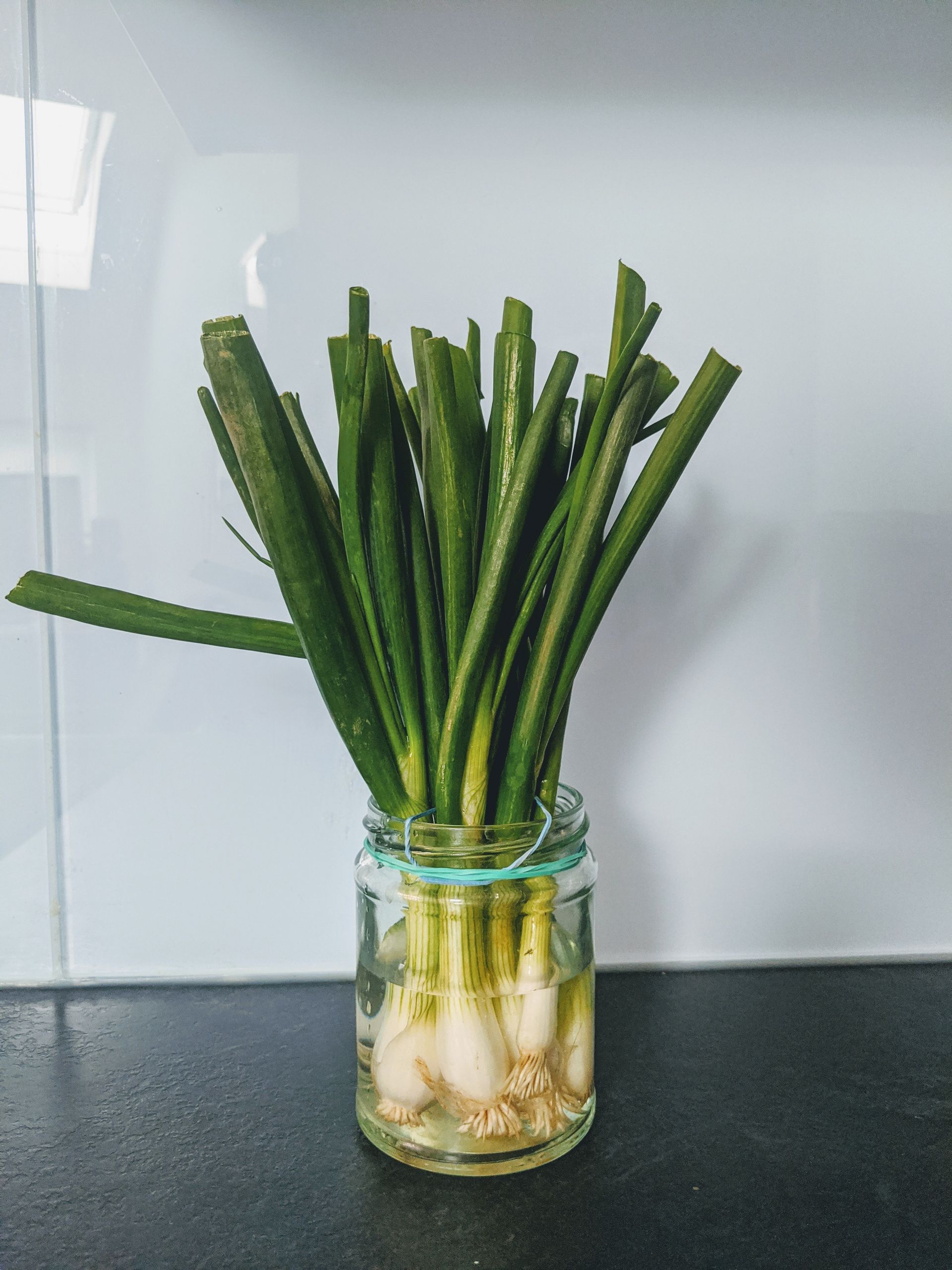
Before buying green onion seeds, try saving the root ends from a bunch of grocery store green onions.
Place them in a small cup of water or soil on your windowsill and watch them regrow.
It’s an easy way to experience the magic of gardening without spending an extra dollar.
Summer: The Season of Big Growth
When temperatures rise, cool-weather crops like spinach and lettuce naturally start to struggle or turn bitter.
The gardener didn’t fail.
The season simply changed.
This is when heat-loving plants finally come alive.
| Summer Plant | Why Beginners Love It |
|---|---|
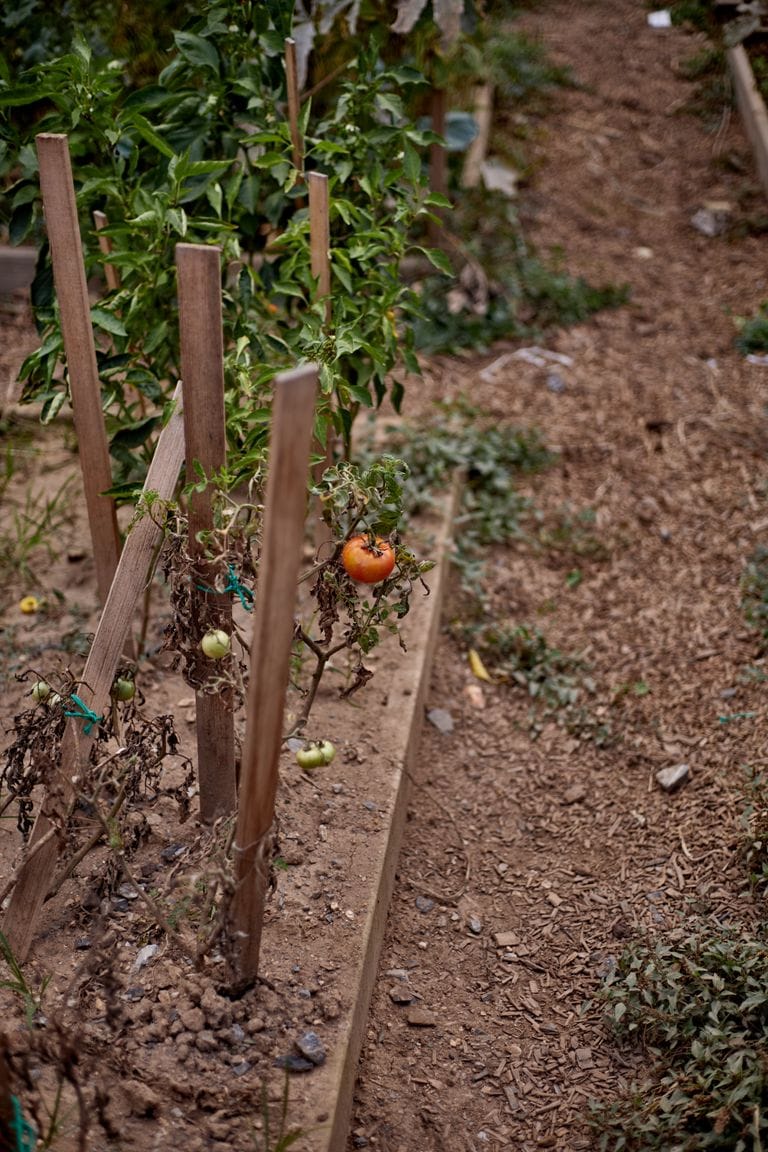
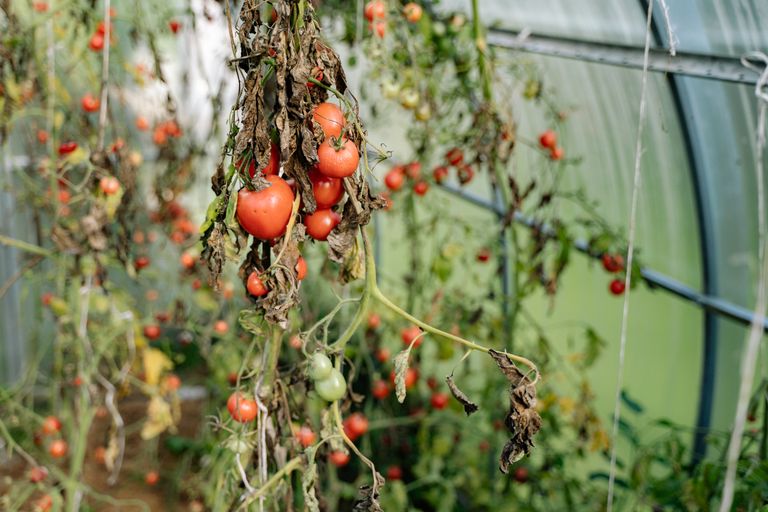
| Cherry Tomatoes | Productive and easier to grow than large beefsteak varieties. |
| Peppers | Sweet or hot, they thrive in warm weather. |
| Bush Beans | Fast-growing, compact, and generous producers. |
| Basil | Loves the heat and becomes more aromatic in full sun. |
| Cucumbers | Fast climbers that reward consistent watering with heavy harvests. |
Fall: The Underrated Gardening Season
Many people think gardening ends when summer does.Not so fast.Fall is actually one of the most pleasant gardening seasons.
Cooler temperatures allow several crops to thrive again, often with fewer pests and less demanding watering schedules.
| Fall Plant | Why Beginners Love It |
|---|---|
| Leaf Lettuce | Often grows even better in fall than it does in spring. |
| Kale | Incredibly hardy and sweeter after a light frost. |
| Carrots | Cool weather improves their flavor. |
| Radishes | A perfect quick crop before winter arrives. |
Winter Doesn’t Mean Gardening Stops
If you’re imagining bare soil and months of waiting, think again.
Winter can still be a productive season for a resourceful gardener.
You can grow:
• Fresh herbs on a sunny kitchen windowsill
• Microgreens on a countertop
• Sprouts in a simple mason jar
Winter is also the perfect time to plan next year’s garden, organize saved seeds, and build your knowledge for the coming spring.
Remember, sustainable gardening isn’t just about growing food. It’s about building skills and confidence season after season.
Your Climate May Be Different
A gardener in Florida and a gardener in Minnesota can experience very different growing seasons.
Think of this guide as a starting point, not a strict calendar.
Local extension offices, garden centers, seed packets, and experienced gardeners in your area can help you fine-tune your timing as you gain experience.
Don’t worry about getting everything perfect right away.
The goal isn’t to become a gardening expert overnight.
The goal is simply to get growing.
Don’t Stress About the Technical Stuff Yet
If you’ve been researching online, you’ve probably already run into terms like last frost date, first frost date, growing zones, and hardiness maps.
Those things matter eventually.
But don’t let them stop you from getting started today.
For now, keep it simple:
1. Cool-weather plants love spring and fall
2. Heat-loving plants love summer
3. Indoor herbs can grow year-round
That’s enough knowledge to start.
The finer details will come with experience.
The Best Plant Is the One You’ll Eat
When our grandparents planted gardens, they weren’t trying to create perfect, color-coordinated photos for social media.
They grew food their families would actually eat.
That is still the best rule of thumb today.
If your family loves salads, plant lettuce.
If you cook with fresh herbs, plant basil and parsley.
If your kids love snacks, plant cherry tomatoes.
The best garden isn’t the one that looks the most impressive.
It’s the one that gets used.
So, What Can I Plant Right Now?
Look outside right now.
What season is it?
Choose one beginner-friendly plant that naturally thrives in that weather and give it a place to grow.
That’s how every gardener starts.
Not with perfect knowledge.
Not with a perfect garden.
Just one seed, planted at the right time.
You don’t need to memorize planting charts.
You don’t need years of experience.
You just need one plant, one season, and a willingness to learn.
The rest will come with time.
Let’s grow.
Join the Community
Want practical homesteading tips, beginner-friendly guides, and old-fashioned skills that still matter today? Join the Waste Not Want Not Community and get new articles, helpful resources, and homestead inspiration delivered straight to your inbox.