Beginner Backyard Chicken Setup: What You Actually Need to Start
When I first started researching backyard chickens, I thought I needed everything before I could even begin.
Fancy coops. Expensive feeders. Automatic doors. Perfect Pinterest-worthy setups with matching nesting boxes and organized feed stations.
The deeper I looked, the more overwhelming it became.
And honestly, I think that’s what stops a lot of people from ever starting in the first place.
The truth is, backyard chickens do not require all that. They require a safe setup, consistent care, and a willingness to learn as you go.
And maybe more importantly, they reconnect us with something many people have quietly been missing for a long time: practical everyday skills that used to simply be part of life.
Because there was a time when keeping chickens wasn’t considered a hobby or part of a carefully curated homestead aesthetic.
It was just normal.
Families kept chickens because eggs mattered. Stretching resources mattered. Waste mattered. People used what they had because that’s what survival and good stewardship looked like.
And while life was undeniably harder in many ways, there’s still something grounding about remembering how ordinary these skills once were.
If you’ve been wanting to start a small flock but feel intimidated by all the information online, this is the guide I wish someone had given me in the beginning.
Not the complicated version.
Just the practical one.
Start Smaller Than You Think You Need To
One of the biggest mistakes beginners make is starting too big.
It’s easy to get excited when you see all the different chicken breeds and imagine baskets overflowing with fresh eggs every morning. But large flocks become expensive and overwhelming much faster than most people expect.
For most beginners, starting with 4–6 hens is more than enough.
That gives you:
- enough eggs to make a difference
- lower feed costs
- easier cleaning
- fewer problems while learning
- a more manageable routine
You can always expand later once you understand what works for your space and lifestyle.
A few generations ago, many families started the same way — with a small flock that slowly grew over time as confidence, resources, and needs changed.
People learned by doing.
And honestly, that’s still the best way to learn.
Your Coop Does Not Need To Be Fancy
This might be the most important thing I can tell new chicken owners.
Your chickens do not care whether their coop looks beautiful online.
They care whether it’s:
- dry
- secure
- ventilated
- safe from predators
That’s it.
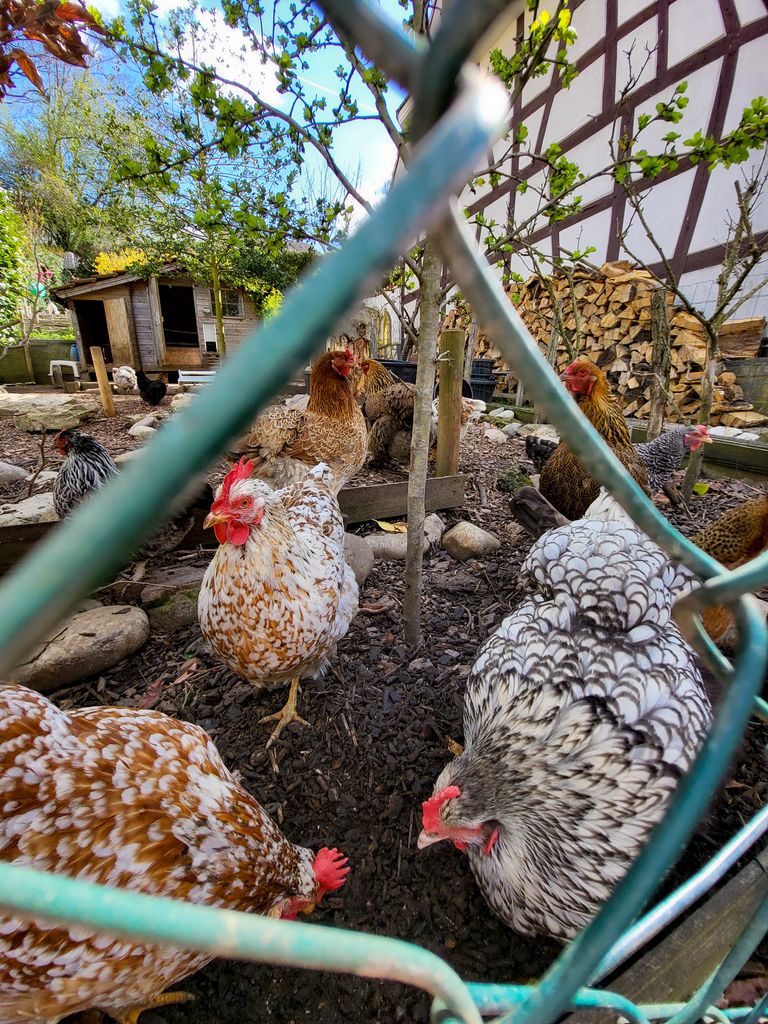
Some of the healthiest backyard flocks live in simple coops built from reclaimed lumber, leftover fencing, and repurposed materials.
Older generations understood something modern homesteading culture sometimes forgets: function mattered far more than appearance.
Chicken coops were often patched together from whatever materials were available. Broken containers became feeders. Scrap wood became nesting boxes. Feed sacks were reused instead of thrown away.
People focused on making things work well, not making them look perfect.
And honestly, there’s something freeing about remembering that.
Your beginner coop simply needs:
- roosting bars
- nesting boxes
- good airflow
- secure latches
- enough room for the flock
A good general rule is:
- about 4 square feet per chicken inside the coop
- about 10 square feet per chicken in the run
Overcrowding causes stress, odor buildup, illness, and pecking issues much faster than most beginners realize.
Simple and clean will always outperform fancy and overcrowded.
Predators Are Smarter Than Most Beginners Expect
This is the part that surprises a lot of people.
Even suburban neighborhoods have predators nearby.
Raccoons, stray dogs, foxes, hawks, snakes — they’re all incredibly good at finding easy food sources.
Unfortunately, many beginner setups rely too heavily on standard chicken wire.
Chicken wire helps keep chickens contained.
It does not reliably stop determined predators.
If there’s one thing worth prioritizing from the beginning, it’s predator-proofing.
Things like:
- hardware cloth instead of chicken wire
- secure latches
- covered runs
- buried fencing around the perimeter
can save you a lot of heartbreak later.
People who depended on chickens for food understood this very well.
Losing chickens wasn’t just disappointing — it affected the household.
That’s why practical flock protection has always mattered.
Baby Chicks Are More Fragile Than People Realize
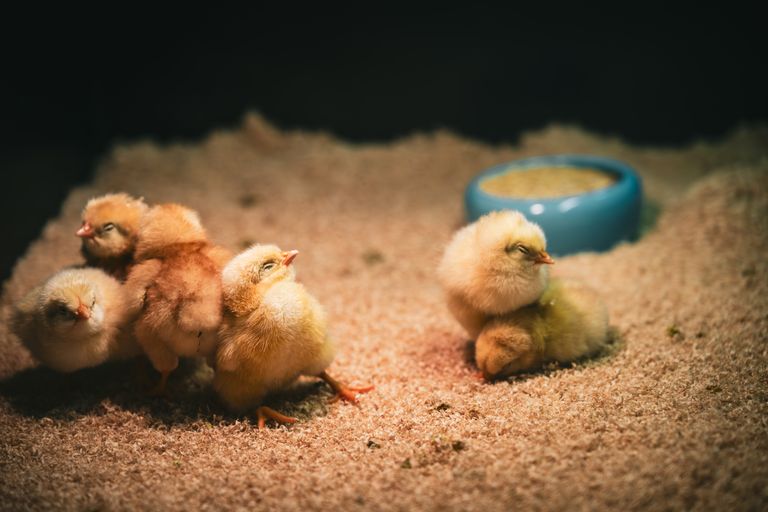
Baby chicks look incredibly easy online.
Tiny fluffy birds under a heat lamp. Soft chirping. Calm little brooder setups.
Real life is usually a little messier.
The first week with chicks can feel stressful because you’re constantly wondering if you’re doing something wrong.
Are they too cold?
Too hot?
Eating enough?
Why is the bedding already wet?
Why are they pecking each other?
Most new chicken owners experience some level of panic during those early days.
That’s normal.
The good news is that chicks do not need elaborate setups either.
A simple brooder with:
- a safe heat source
- clean bedding
- fresh water
- chick starter feed
is enough to get started successfully.
You Do Not Need Every Chicken Gadget Online
The chicken world is full of products designed to convince beginners they need everything immediately.
Automatic doors.
Solar-powered gadgets.
Designer nesting boxes.
Specialized feeders.
Decorative coop accessories.
And while some of those things can absolutely make life easier later on, most beginners are better off starting simple.
You’ll quickly figure out what problems actually need solving in your own setup.
A lot of experienced chicken keepers slowly improve their systems over time instead of trying to build the “perfect” setup from day one.
That slower, more practical approach is honestly much closer to how people used to live.
People worked with what they had first.
They repaired things.
Repurposed things.
Adapted things.
And there’s a lot of wisdom in that mindset that still applies today.
Chickens Become Part of Your Daily Rhythm
One thing I didn’t expect was how quickly chickens become woven into daily life.
You start noticing the weather differently.
You develop routines around feeding, collecting eggs, and checking the coop each evening.
You learn the personalities of your flock. You notice when something feels “off.” You become more aware of the changing seasons.
And there’s something surprisingly grounding about that rhythm.
For many older generations, these small daily routines weren’t romanticized — they were simply part of caring for a home and family.
But maybe that’s part of why so many people are drawn back to these skills now.
Modern life often feels rushed, disposable, and disconnected.
Backyard chickens slow things down just enough to remind people that caring for something consistently still matters.
The Most Important Thing To Remember
You are not going to do everything perfectly.
No one does.
Every chicken keeper learns through trial and error.
The goal is not perfection.
The goal is building a simple, sustainable system you can realistically maintain over time.
Start with the basics.
Keep learning.
Adjust as you go.
And don’t let the internet convince you that you need a perfect setup before you’re ready to begin.
For a long time, skills like gardening, preserving food, repairing things, composting, and raising chickens were treated as outdated.
But many people are beginning to realize those old skills carried something modern life often lacks:
resilience.
Not perfection.
Not aesthetics.
Not social media approval.
Just quiet, everyday resilience.
And maybe that’s why so many people are returning to chickens, gardens, sourdough, compost piles, and slower routines again.
Not because they want to perfectly recreate the past —
but because they miss feeling connected to something real.
Related Beginner Chicken Guides
If you’re just getting started, these are great next reads:
Want More Simple Homestead Guides?
Join Waste Not Want Not Homestead for practical beginner-friendly tips on backyard chickens, gardening, food preservation, and old-fashioned skills that still matter today.
No perfection required – just simple skills, real-life systems, and a slower approach to home and homesteading.
Final Thoughts
Backyard chickens do not require a perfect homestead.
They do not require expensive equipment.
And they definitely do not require having everything figured out before you begin.
They simply require a willingness to start, pay attention, and learn over time.
And honestly, that’s how most useful skills were passed down for generations in the first place.