No-Waste Kitchen & Food Preservation: The Forgotten Skills Making a Comeback
Not so long ago, throwing away usable food wasn’t just viewed as sloppy—it was downright unthinkable.
For most of human history, families couldn’t simply run to the store every time a recipe called for an extra onion or the fridge looked a little bare. Every harvest, every egg from the coop, every animal raised, and every loaf baked represented real hours, hard labor, and finite resources.
Food wasn’t disposable. It was precious.
Those principles are the foundation of a no-waste kitchen and the food preservation skills we’ll explore throughout this section.
Our grandmothers understood a simple truth that modern households are having to relearn the hard way: the less you waste, the less you need.
Long before electricity and modern refrigeration, families relied on skill, timing, and good old-fashioned common sense to stretch every single yield:
- Vegetable scraps and stray bones didn’t belong in the bin—they were the start of a rich, nourishing broth.
- Stale bread wasn’t a waste; it was the foundation for stuffing, bread pudding, or breadcrumbs.
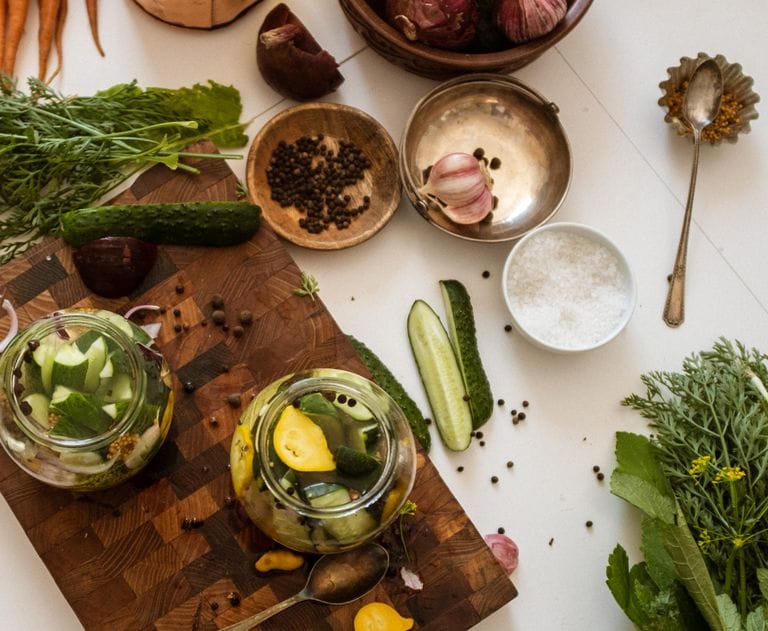
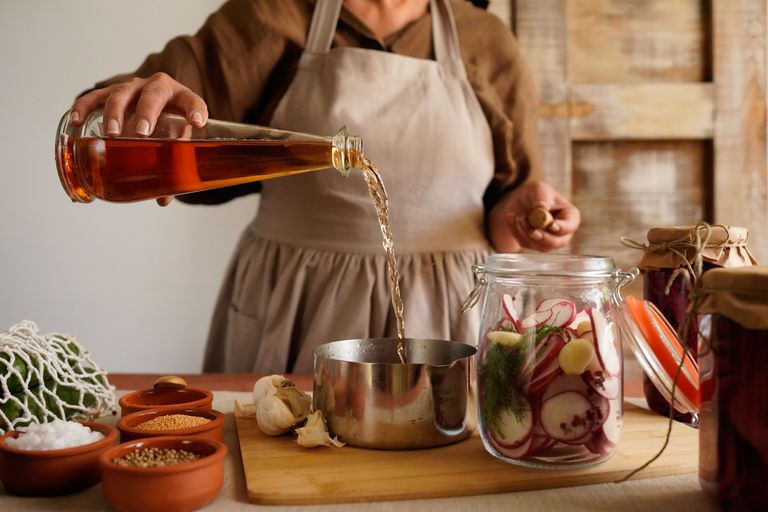
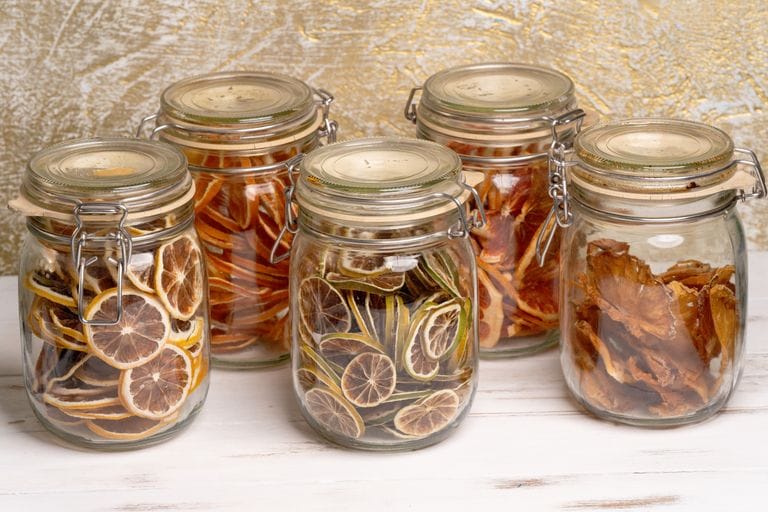
- Seasonal gluts from the garden were canned, dried, pickled, or fermented so the winter table never ran bare.
- Leftovers weren’t forgotten in the back of the shelf—they were tomorrow’s lunch or the base for supper.
These weren’t quaint weekend hobbies.
They were essential survival skills.
The old saying “waste not, want not” wasn’t a cute motto to hang on a kitchen wall; it was an operating system. When you make the absolute most of what you have right in front of you, you’re far less likely to find yourself empty-handed when times get lean.
The Modern Shift
For decades, convenience made these traditions feel obsolete. Grocery store aisles stayed packed year-round, hyper-processed shortcuts took over, and a few generations missed out on the foundational kitchen wisdom that used to be second nature.
But the tides are turning.
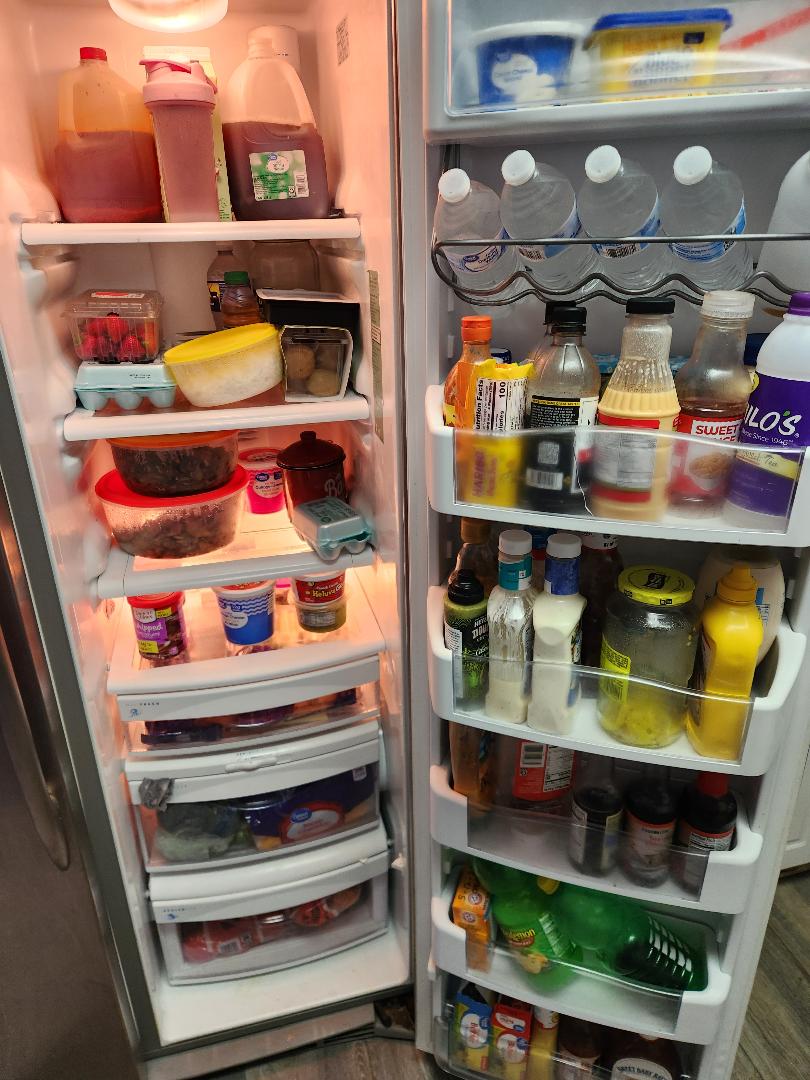
Between soaring grocery receipts, fragile supply chains, and shrinking household budgets, more families are realizing that wasted food is wasted money. Produce is forgotten in the refrigerator, leftovers go uneaten, and pantry items quietly expire before anyone remembers they’re there.
Old-fashioned kitchen wisdom isn’t coming back because it’s trendy. It’s coming back because it works.
If you’ve ever bought another bag of flour only to discover one hiding in the back of the pantry—or thrown away food because you forgot it was there—you’ve already experienced why these skills matter.
Real food preservation and smart cooking aren’t about deprivation or living like it’s 1890. It’s about capability. It’s about knowing how to look at your pantry and make what you already own work for you.
Combining Traditional Wisdom with Modern Living
Taking control of your kitchen doesn’t mean abandoning modern convenience; it means using today’s tools alongside time-tested common sense.
Knowing how to freeze produce properly, put up a seasonal harvest, build a meal around what needs using first, and keep an orderly pantry can save hundreds, or even thousands, of dollars each year. More than that, it builds quiet confidence.
Every jar lined up on the pantry shelf and every meal made from ingredients already on hand is a small act of stewardship. It’s a declaration that your resources have value, and that managing what you have well is far more powerful than simply running out to buy more.
In this section, we’re cutting through the noise to bring those practical skills back to the table:
- Proven preservation techniques: Canning, dehydrating, freezing, and fermenting with confidence.
- Pantry-first management: Simple systems for meal planning around what you already own.
- Full-ingredient cooking: Creative ways to use every scrap, stem, and leftover.
- Effortless kitchen habits: Building an economical, resilient, and well-run heart of the home.
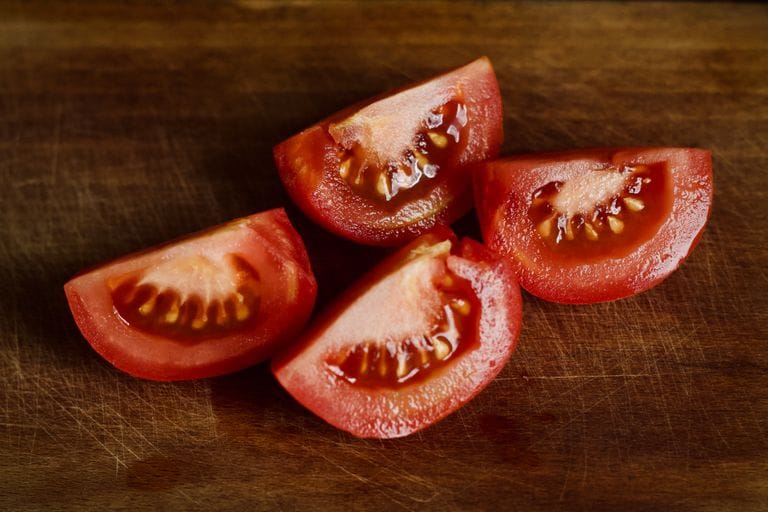
Whether you’re staring down a bumper crop of tomatoes, working hard to keep the grocery bill under control, or simply ready to run a tighter, smarter home, you’re in the right place.
The articles that follow will help you build these skills one step at a time—from learning to use what you already have, to preserving seasonal abundance, to creating kitchen habits that reduce waste before it ever begins.
Take care of what you have, and it will take care of you.
Join the Porch Sitters
A house becomes a home through the small things we choose to learn, make, repair, grow, and pass along. Those skills don’t disappear overnight, and they won’t return overnight either. They come back one season, once project, and one meal at a time.
That’s what the Porch Sitters are all about.
Each edition of The Front Porch brings practical homesteading skills, seasonal guidance, thoughtful encouragement, and new resources to help you build a more capable household. No clutter. No chasing every trend. Just timeless knowledge that still has a place in modern life.
If that sounds like the kind of home you’re building, we’d be glad to save you a seat.
Rediscover the skills that turn a house into a home.