5 Warning Signs Your Chicken May Be Sick (And What to Do Next)
Keeping backyard chickens is one of the most rewarding ways to build a more self-reliant homestead. A healthy flock provides fresh eggs, helps control pests, contributes valuable manure for the garden, and turns kitchen scraps into a useful resource instead of waste.
But chickens have one trait that can frustrate even experienced keepers: they’re remarkably good at hiding illness.
In the wild, a sick bird is often a target for predators. As a result, chickens instinctively mask weakness for as long as possible. By the time obvious symptoms appear, a health problem may already be well underway.
I learned this lesson early on. One afternoon, I noticed a hen hanging back while the rest of the flock rushed toward the feeder. She wasn’t limping. She wasn’t visibly injured. She simply wasn’t acting like herself. A couple of days later, respiratory symptoms appeared.
That experience reinforced something every chicken keeper eventually learns: the earliest signs of illness are often subtle changes in behavior.
The good news is that you don’t need expensive equipment or specialized training to recognize when something isn’t right.
A few minutes of observation each day can help you catch problems early, protect the rest of your flock, and avoid preventable losses.
At a Glance: 5 Signs Your Chicken May Be Sick
|
Warning Sign |
What It Could Mean |
|---|---|
|
Loss of appetite |
Infection, parasites, crop issues, stress |
|
Lethargy or isolation |
Illness, injury, heat stress, bullying |
|
Abnormal droppings |
Digestive issues, parasites, infection |
|
Respiratory symptoms |
Respiratory disease, poor ventilation |
|
Poor egg production or shell quality |
Nutritional deficiencies, stress, illness |
1. Changes in Appetite or Water Consumption
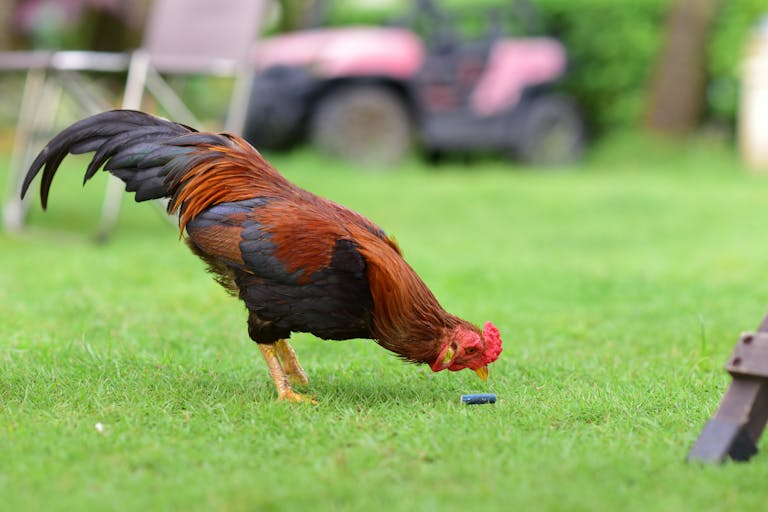
Healthy chickens are enthusiastic eaters.
Most flocks quickly gather around feed buckets, scratch for treats, and actively forage throughout the day.
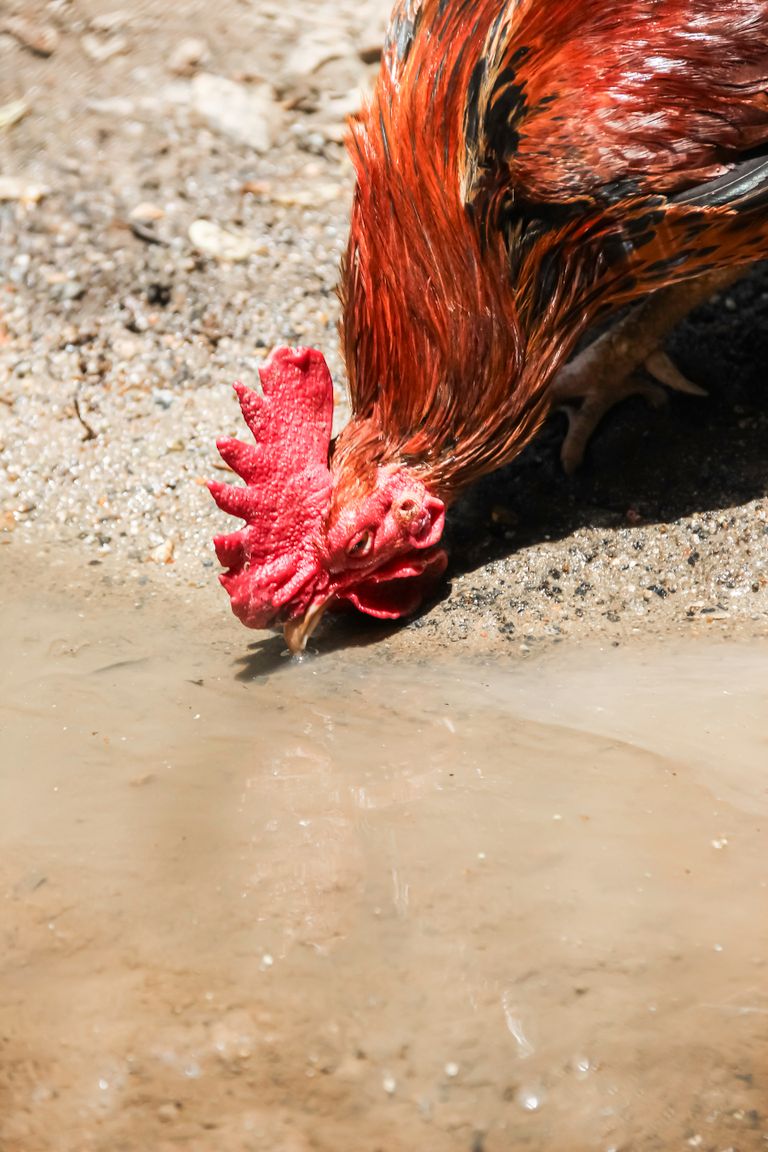
When a chicken suddenly loses interest in food or water, it’s often one of the earliest indicators that something may be wrong.
What to Watch For
• Ignoring favorite treats
• Standing near the feeder without eating
• Noticeable weight loss
• Reduced water consumption
• Excessive thirst
• An empty crop at the end of the day
Why It Matters
A reduced appetite can be associated with many different conditions, including:
• Internal parasites
• Crop disorders
• Infection
• Heat stress
• Injury
• Reproductive issues
Because appetite changes often appear before more obvious symptoms, they deserve attention.
Resourceful Homestead Fix
Move the bird to a quiet area where you can monitor food and water intake.
Check the crop in the evening and again the following morning.
A healthy crop should fill during the day and largely empty overnight.
Offering a warm mash made from the bird’s regular feed and water may encourage eating, but avoid assuming a temporary appetite slump is harmless if symptoms continue.
2. Lethargy and Isolation from the Flock
Healthy chickens are naturally curious and active.
They scratch, forage, dust bathe, and interact with flock mates throughout the day.
When a chicken begins isolating itself, it may be trying to tell you something.
|
Healthy Behavior |
Possible Warning Sign |
|---|---|
|
Active foraging |
Standing alone |
|
Bright, alert eyes |
Squinting or closed eyes |
|
Upright posture |
Hunched posture |
|
Roosting normally |
Remaining in the coop during the day |
|
Following the flock |
Avoiding flock activity |
Why It Matters
Many illnesses affect energy levels before causing obvious physical symptoms.
Lethargy can also be caused by:
• Injury
• Heat stress
• Parasites
• Egg-laying problems
• Bullying from flock mates
Resourceful Homestead Fix
Perform a head-to-toe inspection.
Check:
• Eyes
• Comb and wattles
• Legs and feet
• Vent area
• Body condition
Pay particular attention to the bottoms of the feet.
Conditions such as bumblefoot are common in backyard flocks and are often easier to address when caught early.
3. Changes in Droppings
Chicken keepers see manure almost every day, which makes droppings one of the most useful health indicators available.
While droppings naturally vary based on diet and hydration, significant or persistent changes deserve investigation.
What to Watch For
• Persistent diarrhea
• Bloody droppings
• Bright green droppings
• Excessively watery manure
• Visible worms
• Strong foul odor
What’s Actually Normal?
Not every unusual-looking dropping indicates a problem.
Chickens periodically produce cecal droppings, which are darker, softer, and significantly smellier than regular manure.
Many new flock owners mistake these for signs of illness when they are actually a normal part of digestion.
The key is looking for patterns rather than reacting to a single abnormal dropping.
Why It Matters
Abnormal droppings may indicate:
• Parasites
• Digestive disorders
• Dietary imbalances
• Infection
• Stress
Resourceful Homestead Fix
Keep bedding clean and dry.
Many homesteaders successfully use deep litter systems to manage moisture and reduce odor, but the system only works when adequate dry carbon material is added regularly.
If multiple birds begin showing abnormal droppings, investigate quickly since some diseases can spread rapidly through a flock.
4. Respiratory Symptoms
Respiratory issues are among the most concerning health problems in chickens because they can affect multiple birds in a short period of time.
What to Watch For
• Sneezing
• Wheezing
• Coughing
• Open-mouth breathing
• Nasal discharge
• Swollen eyes
• Bubbles around the eyes
Healthy chickens breathe quietly.
Any persistent respiratory noise should be taken seriously.
Why It Matters
Respiratory symptoms can be associated with:
• Infectious respiratory diseases
• Poor ventilation
• Dust exposure
• Ammonia buildup from wet bedding
Resourceful Homestead Fix
Immediately separate any bird showing respiratory symptoms from the main flock.
Then evaluate your coop environment.
One of the most effective preventive measures costs very little: proper ventilation.
Fresh air should be able to move through the coop above roost level without creating direct drafts on the birds.
Reducing moisture and ammonia buildup helps support respiratory health year-round.
5. Changes in Egg Production or Egg Quality
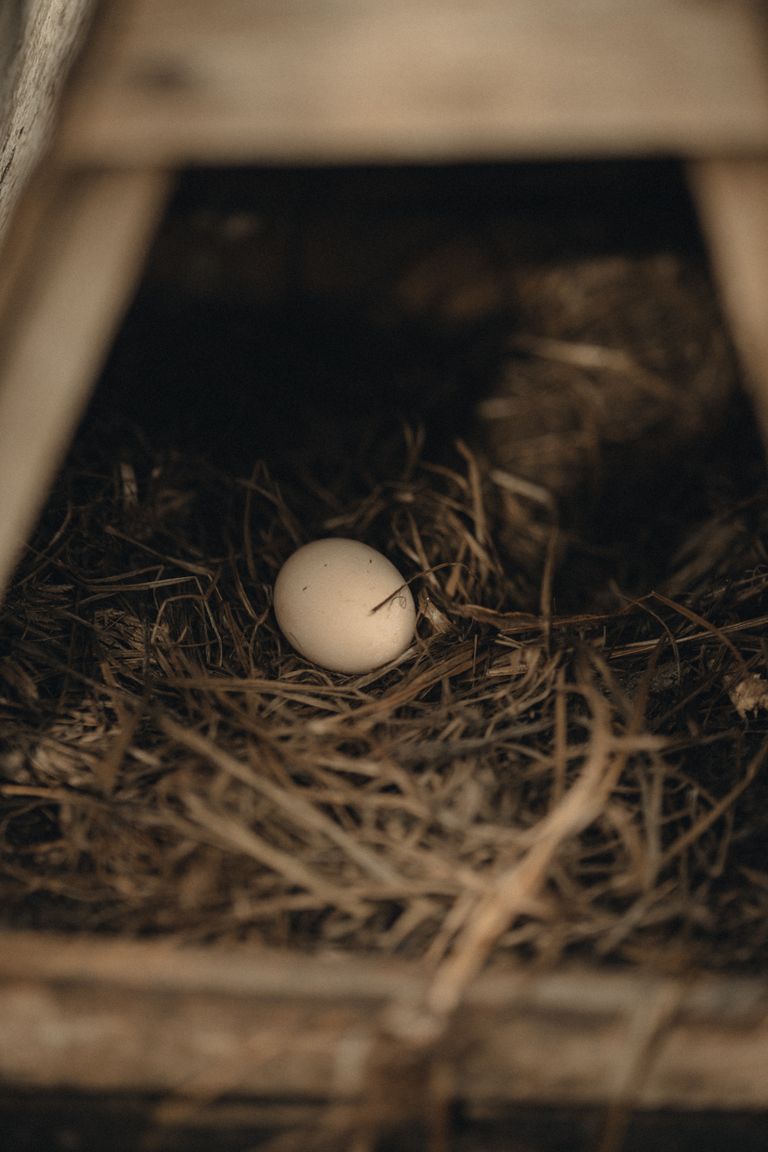
For laying hens, the nesting box provides valuable insight into overall flock health.
A sudden drop in egg production or a noticeable change in shell quality often signals that something needs attention.
What to Watch For
• Sudden decrease in egg production
• Thin shells
• Soft-shelled eggs
• Misshapen eggs
• Brittle shells
• Rough shell texture
Why It Matters
Egg quality can be affected by:
• Nutritional deficiencies
• Stress
• Illness
• Parasites
• Extreme weather
• Age of the bird
|
Healthy Hen |
Potential Problem |
|---|---|
|
Consistent laying |
Reduced production |
|
Strong shells |
Thin or soft shells |
|
Normal egg shape |
Misshapen eggs |
|
Good body condition |
Weight loss and poor laying |
Resourceful Homestead Fix
Ensure hens have access to a complete layer feed and a calcium source.
Many homesteaders recycle eggshells by rinsing, drying, baking, and crushing them before offering them back free-choice in a separate container. This helps close the loop on the homestead while providing an additional calcium source.
If a hen appears distressed, strains repeatedly, or develops a penguin-like posture, further evaluation is warranted since reproductive issues can become serious quickly.
Setting Up a Simple Isolation Area
One of the most valuable tools on a homestead isn’t expensive equipment—it’s having a place to separate a sick bird when needed.
An isolation area can be created using:
• An unused dog crate
• A spare rabbit cage
• A small livestock pen
• A sectioned-off area of a barn or shed
Keep fresh feed and water available, and monitor the bird’s behavior closely.
Isolation allows you to:
• Track food and water intake
• Observe droppings
• Prevent potential disease spread
• Protect weakened birds from bullying
The Waste Not Want Not Checklist for Flock Health
Five minutes of observation each day can prevent hours of troubleshooting later.
Daily
• Refresh water
• Observe the flock at feeding time
• Look for birds that seem unusually quiet or isolated
Weekly
• Check bedding for dampness
• Inspect feeders and waterers
• Observe droppings while cleaning
Monthly
• Handle a few birds and assess body condition
• Check feet for signs of injury
• Look for external parasites around the vent and under the wings
Seasonal
• Review coop ventilation
• Monitor calcium intake for laying hens
• Quarantine any new birds before introducing them to the flock
Join the Community
Want practical homesteading tips, beginner-friendly guides, and old-fashioned skills that still matter today? Join the Waste Not Want Not Community and get new articles, helpful resources, and homestead inspiration delivered straight to your inbox.
Final Thoughts
The old-timers didn’t have poultry health apps, online forums, or instant access to veterinary advice.
They relied on observation.
They knew what healthy chickens looked like because they spent time with their animals every day.
That’s a skill worth rediscovering.
At Waste Not Want Not Homestead, we believe the most valuable tools on a homestead aren’t always the ones you buy.
Sometimes they’re the habits you build.
Learning to recognize the early signs of illness helps protect your flock, reduce unnecessary losses, and preserve the productivity of your homestead.
Five minutes spent watching your chickens today may save you weeks of problems tomorrow.